

A wood-fired pizza oven is an impressive addition to a backyard entertaining setup — but to get the full value out of it, you need to know how to use it correctly. This guide covers everything from lighting your first fire to pulling out a perfect Neapolitan pizza in 90 seconds.
What You Need Before You Start
- Dry hardwood: Oak, cherry, hickory, or apple wood. Must be seasoned and dry — not green or wet. Moisture content is a big variable in oven performance.
- Fire starters: Natural wood wool fire starters or newspaper. Avoid lighter fluid — it affects the flavor of your food.
- A pizza peel: For launching and retrieving pizzas. A long-handled metal peel for retrieving, a wooden or aluminum peel for launching.
- An infrared thermometer: For reading the stone floor temperature accurately. Air temperature and stone temperature are different — the stone is what matters.
- Heat-resistant gloves: For managing the fire and handling the door.
Lighting the Fire
Build a small teepee of kindling and a fire starter in the center of the oven floor. Light it and let it establish before adding larger pieces of wood. Do not rush this stage — a fire that is not properly established will smoke excessively and burn unevenly.
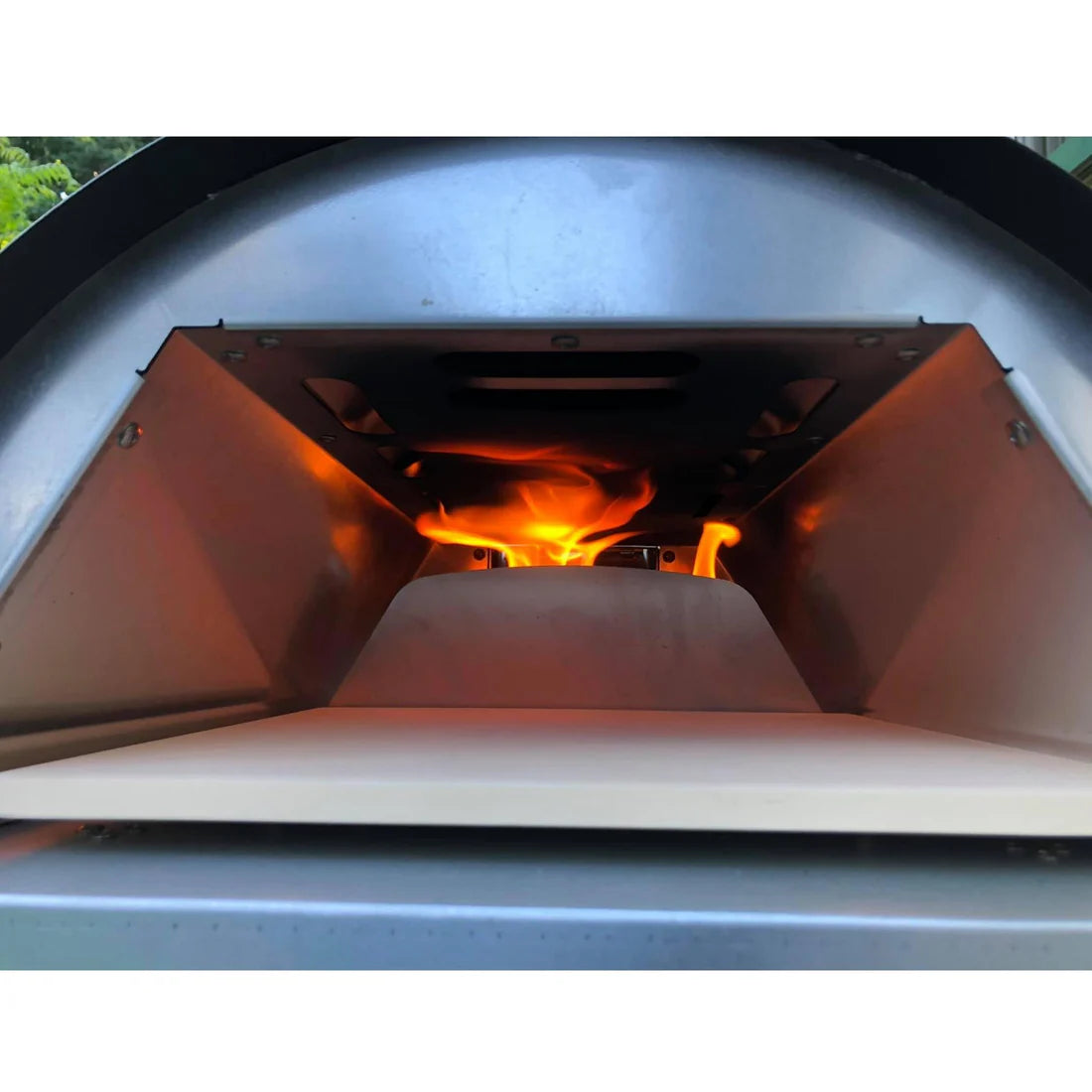
Once the kindling is burning well, add two to three pieces of hardwood and let the fire build naturally. Within 10-15 minutes you should have a strong, established fire. At this point, move the fire to one side of the oven — typically the left or right rear corner — and maintain it there throughout the cooking session. Cooking happens on the opposite side of the oven from the fire.
Preheating: The Step Not to Skip
Plan for 45-60 minutes of preheating before your first pizza. This is non-negotiable. Here is why:
The air inside the oven reaches high temperatures relatively quickly. But the cordierite stone floor — which is what actually cooks the base of your pizza — needs significantly more time to fully saturate with heat. If you cook on a stone that has not fully heated, your pizza base will not cook correctly even if the air temperature reads 900°F.
Use an infrared thermometer to check the stone temperature directly. You want the stone to read 700-800°F before your first cook. Air temperature near the dome will be higher than this.
Reading the Oven
A properly heated wood-fired oven gives you visual cues beyond the thermometer:
- The dome turns white: The black soot on the dome burns off as the oven reaches full temperature. A white dome means the oven is hot enough to cook.
- The flame rolls across the dome: A rolling flame at the top of the dome indicates active convective heat circulating through the oven. This is what you want.
- Smoke clears: A properly managed fire in a hot oven produces very little smoke. Excessive smoke means the wood is not burning cleanly or the fire needs more air.
Preparing Your Pizza
While the oven preheats, prepare your dough and toppings. A few things that matter:
- Dough: Use a high-protein bread flour (00 flour is traditional for Neapolitan). The dough should be at room temperature before stretching — cold dough tears.
- Sauce: Less is more. Wood-fired pizza cooks fast and a thick layer of sauce will not have time to cook properly. A thin, even layer is correct.
- Toppings: Same principle — less than you think. The oven's intense heat means toppings cook extremely fast. Overloaded pizzas cook unevenly.
- Dusting the peel: Dust your peel generously with semolina or flour before placing the dough on it. This prevents sticking. Work quickly once the pizza is on the peel — it will stick if it sits too long.
Launching and Cooking
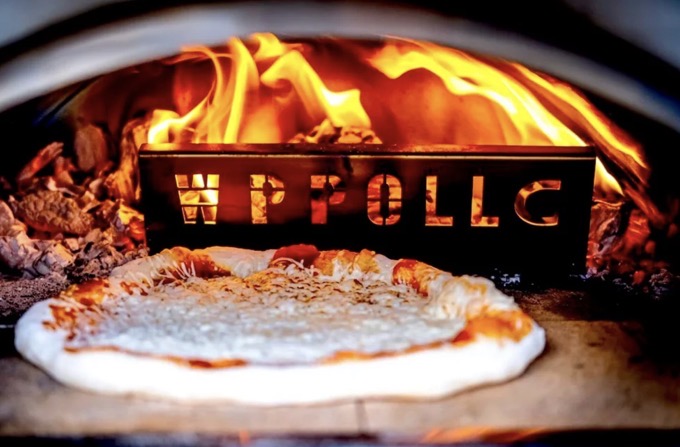
Slide the pizza off the peel onto the stone in a single confident motion. Hesitation causes the pizza to fold or stick. Place it on the side of the oven opposite the fire.
At 900°F, the pizza will cook in 60-90 seconds. Watch it constantly. After about 45 seconds, use the peel to rotate the pizza 180 degrees so it cooks evenly — the side closer to the fire will cook faster. Pull it when the crust is charred in spots, the cheese is bubbling, and the base sounds hollow when tapped.
Maintaining the Fire
Add one piece of wood every 10-15 minutes to maintain temperature. More than this is usually unnecessary and can overheat the oven. Less and the temperature will drop between pizzas. Find a rhythm that keeps the stone temperature consistent and stick to it.
After Pizza: Using the Residual Heat
As your fire burns down and the oven cools through the evening, use the residual heat:
- 600-700°F: Roast a whole chicken, fish, or a tray of vegetables
- 400-500°F: Bake a loaf of bread or focaccia
- 300°F and below: Slow braise, desserts, or keeping dishes warm
One fire, one evening, an entire meal. This is what sets a wood-fired oven apart.
Browse Our Ovens
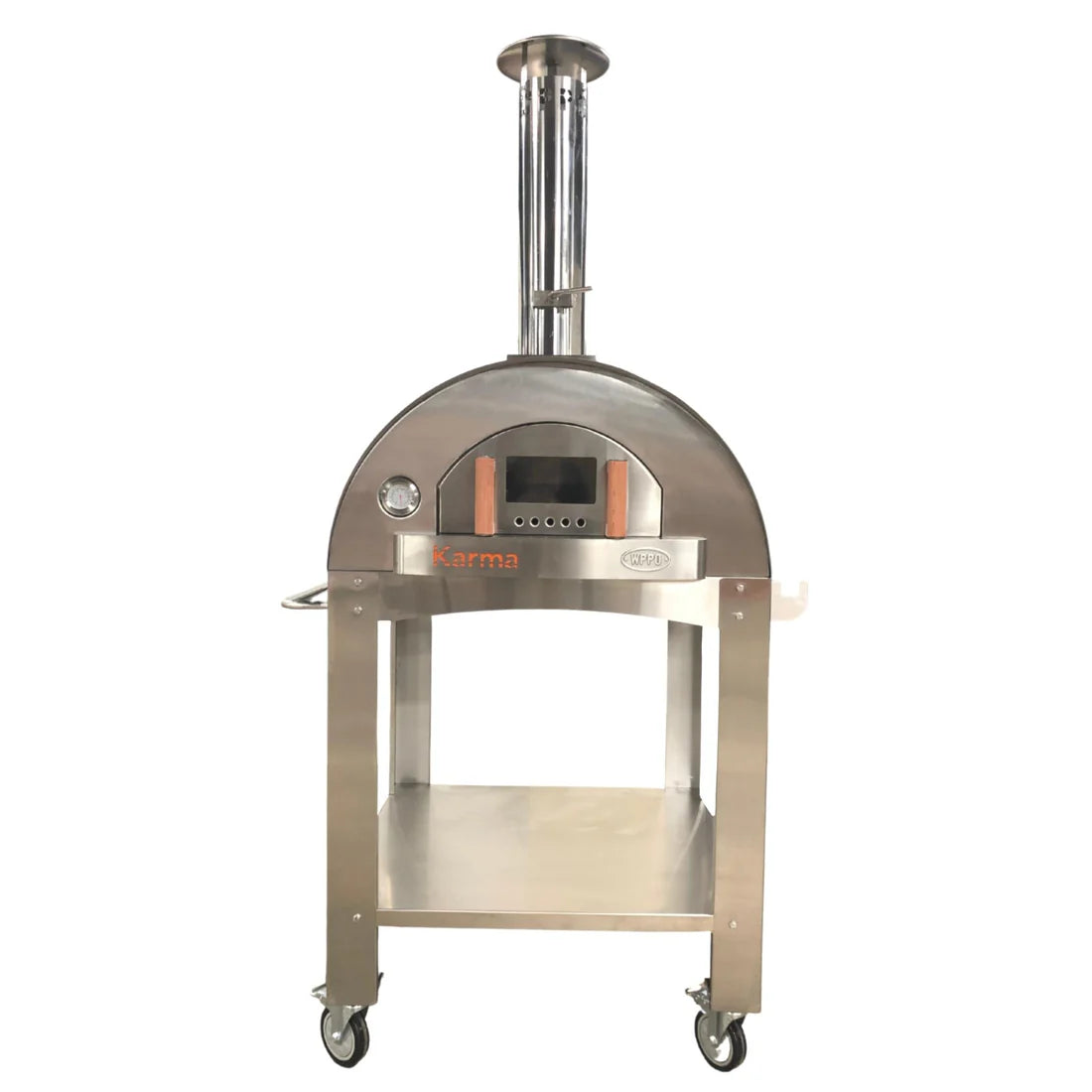
Ready to get started? Browse our full lineup of WPPO wood-fired ovens at americanhearthsupply.com — portable ovens from $299, freestanding from $1,529, and built-in kits from $1,999. Freight to the lower 48 is included, with liftgate delivery. Questions? Call us at 814-440-4817.